| Sep 2026 | My first-author paper "What Objects Enable, Not What They Are: Functional Latent Spaces for Affordance Reasoning" was accepted to the CoRL 2026 main conference! 🏆 |
| Aug 2026 | Wrapped up my research internship at Decagon AI, publishing two blog posts: Teaching Flow-Matching Text-to-Speech Models with RL and Scaling Real-Time Text-to-Speech Inference. |
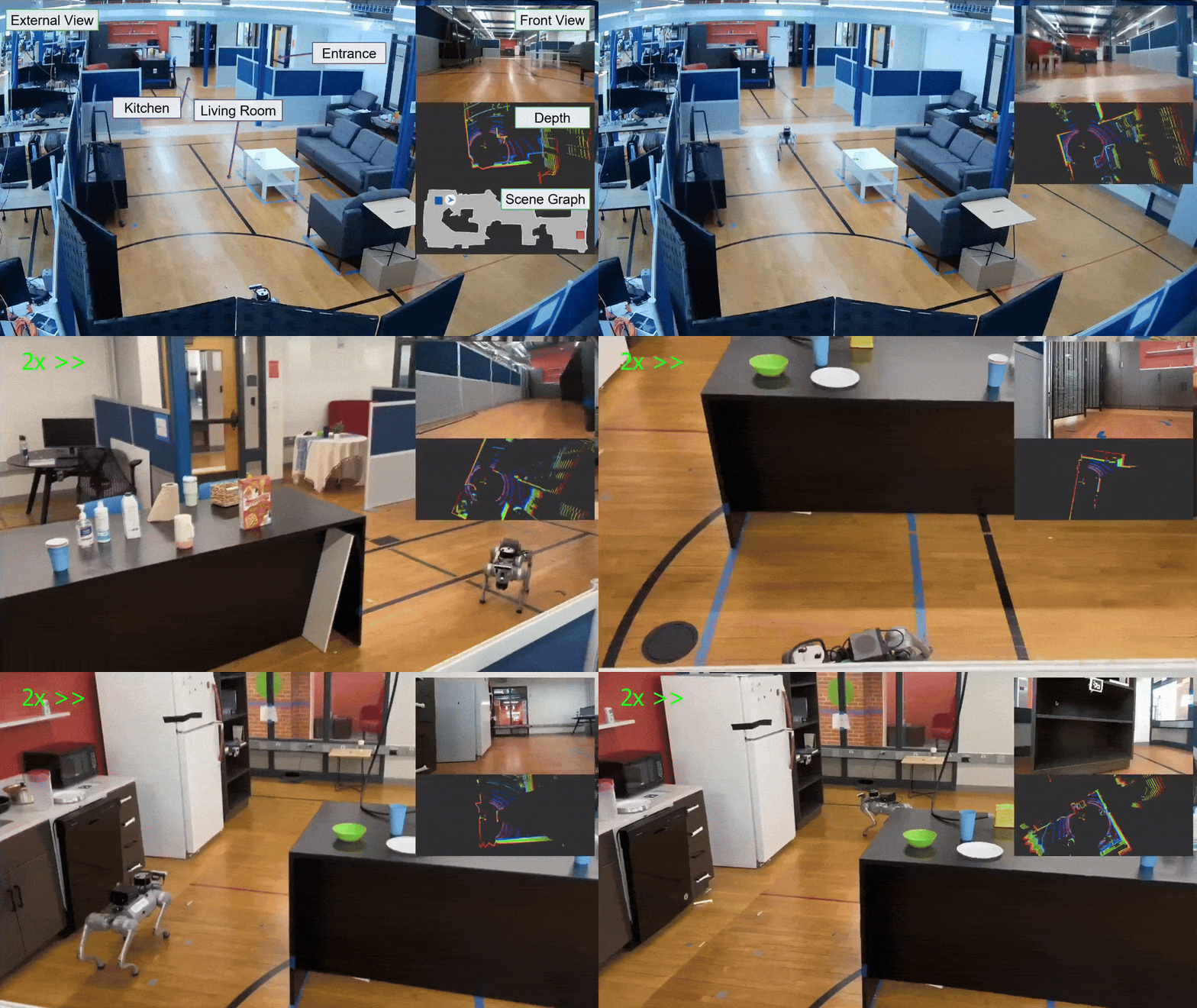
| May 2026 | Our paper "VLN-Zero: Rapid Exploration and Cache-Enabled Neurosymbolic Vision-Language Planning for Zero-Shot Transfer in Robot Navigation" was selected as a Spotlight at NEUS 2026. 🏆 |
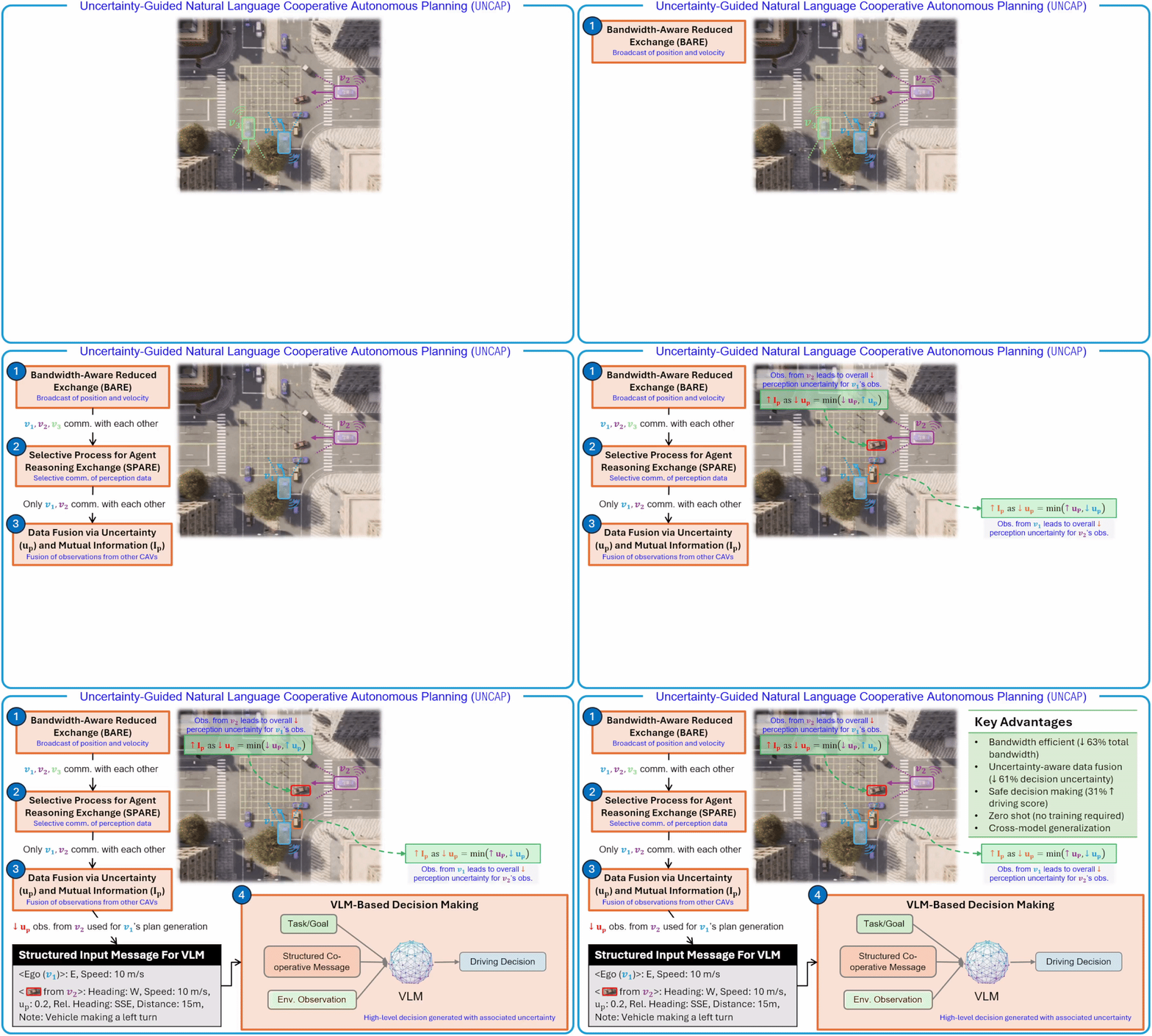
| Dec 2025 | Our paper "UNCAP: Uncertainty-Guided Planning Using Natural Language Communication for Cooperative Autonomous Vehicles" was accepted to AAMAS 2026 as an Oral + Best Paper Finalist. 🏆 |
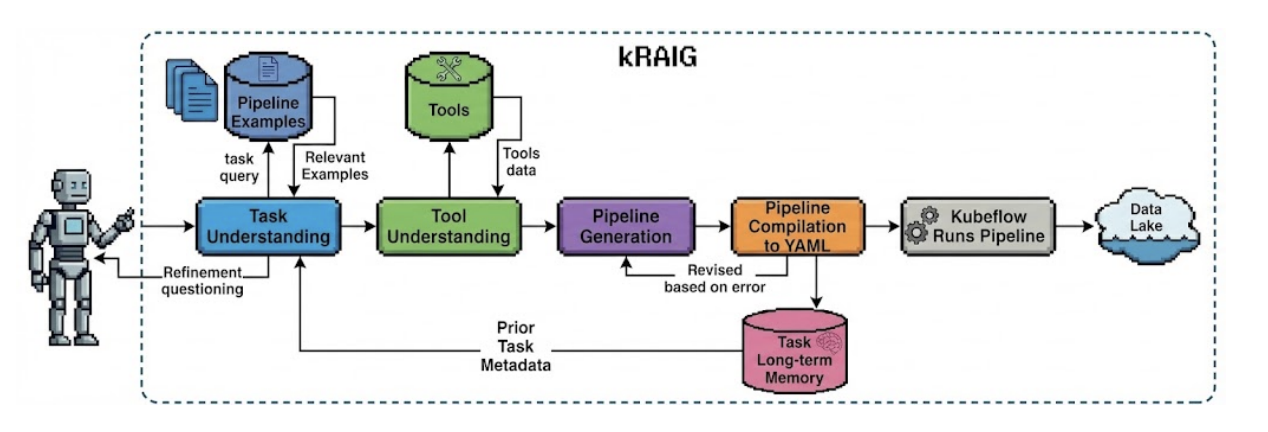
| Aug 2025 | Wrapped up my internship at Cisco with the HyperAI Lab team, where I worked on kRAIG, a natural language-driven agent for automated DataOps pipeline generation. |
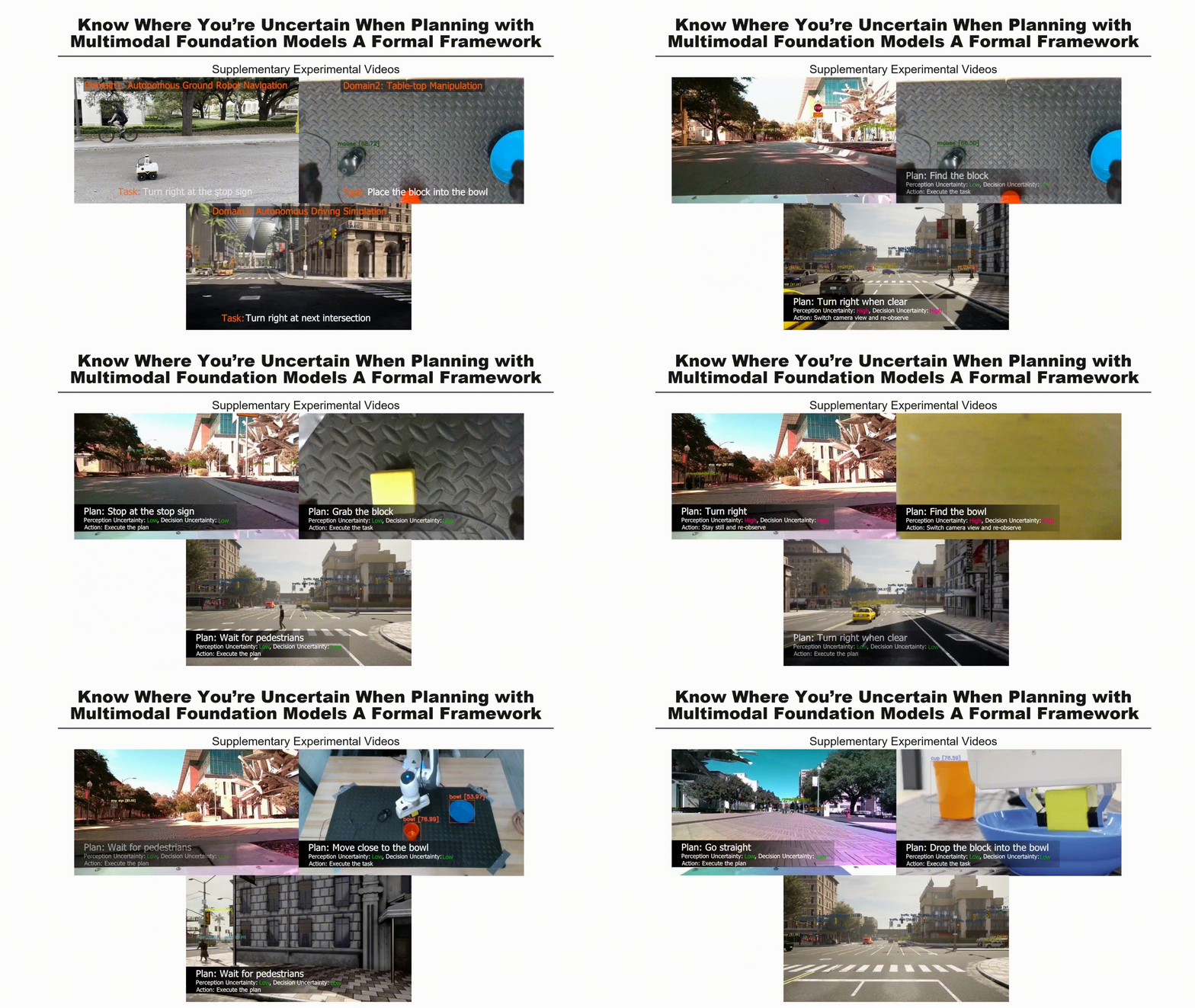
| Feb 2025 | Our paper "Know Where You're Uncertain When Planning with Multimodal Foundation Models: A Formal Framework" was accepted to MLSys 2025 as an Oral. 🏆 |
 Rohan Siva
I am pursuing a B.S. in Electrical and Computer Engineering Honors with a Minor in Stats & Data Science at the University of Texas at Austin, graduating in May 2027.
- Industry: Research Intern at Decagon (Summer 2026) working on voice model post-training & inference; MLE Intern at Cisco Hypershield (Summer 2025) working on cybersecurity data ETL agents.
- Research: Embodied AI and Formal Methods with Prof. Atlas Wang & Prof. Ufuk Topcu (VITA Lab & Center for Autonomy); Speculative Decoding for GRPO at UT Austin's Statistical Learning & AI Group; and diffusion models for parallel chain-of-thought reasoning with Prof. Hao Tang (PKU).
My research focuses on robotics safety, reinforcement learning, and uncertainty quantification, applied to world models, vision-language-action models, diffusion models, and foundation model post-training and inference. I build embodied, neurosymbolic systems that perceive, reason, and act safely in complex environments.
.png)
.png)